
The psychology behind thrill-seeking in gambling behaviors
The Nature of Thrill-Seeking
Thrill-seeking, often characterized by the pursuit of excitement and risk, plays a significant role in gambling behaviors. Individuals who engage in gambling often seek a rush that comes from the unpredictability of outcomes. This pursuit activates the brain’s reward systems, releasing dopamine, a neurotransmitter associated with pleasure and reinforcement. The thrill experienced during a win or the anticipation of a potential win can become addictive, driving individuals to gamble more frequently in hopes of replicating that exhilarating feeling. For those interested in this dynamic, checking out an odin fortune casino can provide an intriguing experience.
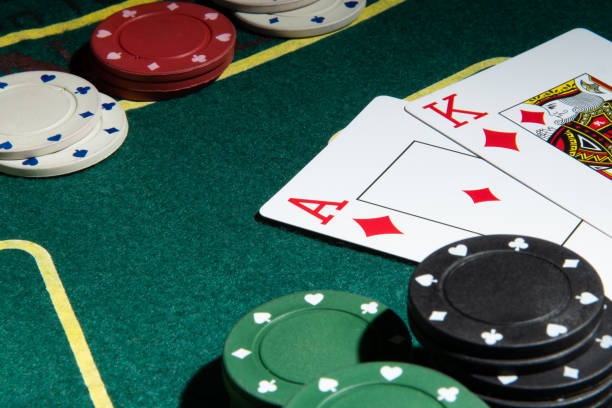
This psychological aspect is underscored by the concept of “variable reinforcement.” In gambling, outcomes are unpredictable, which can lead to repeated behaviors. The intermittent rewards—winning a hand, hitting a jackpot—create an environment where players feel compelled to keep gambling. This unpredictability can enhance the thrill, as each bet carries the possibility of significant rewards, while the inherent risks create an adrenaline rush that can be hard to resist.
Psychological Factors Influencing Gambling
Several psychological factors contribute to thrill-seeking in gambling, with personality traits playing a crucial role. Research indicates that individuals with high levels of sensation-seeking are more likely to engage in riskier gambling behaviors. These individuals thrive on novel experiences and may feel bored with routine activities, leading them to seek out the unpredictability of gambling as an alternative.
Moreover, cognitive biases, such as the illusion of control, can further amplify thrill-seeking tendencies. Gamblers may believe that they can influence outcomes through skill or strategy, even in games governed by chance. This belief can lead to overconfidence, encouraging continued participation in gambling despite losses, as players feel they can turn their luck around.
Social influences also play a significant role in gambling behavior. Peer pressure, societal norms, and cultural perceptions about gambling can exacerbate thrill-seeking tendencies. Individuals may feel compelled to gamble to fit in with a social group or to engage in communal experiences, which can heighten the excitement associated with gambling activities.
The Impact of Environment on Gambling Thrills
The environment in which gambling occurs significantly influences the thrill-seeking experience. Casinos are designed to enhance excitement and engagement through sensory elements such as lights, sounds, and atmospheres that stimulate the senses. The combination of visual and auditory cues creates a unique ambiance that encourages extended play and enhances the overall thrill of the experience.
Additionally, the presence of other players can amplify feelings of excitement and competitiveness. The social aspect of gambling can elevate the thrill, as players share in the highs and lows of wins and losses. This communal experience creates a sense of camaraderie, further reinforcing the desire to continue gambling, even when the risks become apparent.
Moreover, online gambling environments have adapted to replicate the thrills of traditional casinos. With interactive games and live dealer experiences, virtual platforms strive to mimic the excitement of physical locations. This evolution has broadened access to thrilling gambling experiences, attracting a diverse audience eager for the adrenaline rush associated with gambling.
Managing the Risks of Thrill-Seeking
While thrill-seeking can provide temporary excitement and pleasure, it can also lead to significant risks, including problem gambling and addiction. Understanding the psychology behind this behavior is essential in developing effective strategies for managing risks. Education on responsible gambling practices can empower individuals to recognize the signs of problematic behavior and to make informed choices about their gambling activities.
Establishing limits and employing self-control measures can also mitigate the potential dangers associated with thrill-seeking. Setting time and budget constraints can create a healthier approach to gambling. Furthermore, utilizing tools such as self-exclusion programs can help individuals take proactive steps to manage their gambling habits before they escalate into more serious issues.
Support networks and counseling services are invaluable resources for individuals struggling with gambling-related problems. Engaging with professionals who understand the psychological nuances of gambling behaviors can provide insights and coping strategies that address the underlying thrill-seeking motivations. By fostering a supportive environment, individuals can navigate their gambling experiences with a healthier mindset.

Odin Fortune Casino and Thrill-Seeking Experiences
Odin Fortune Casino is a prime example of how an online gaming platform can cater to thrill-seekers. With a diverse range of high-quality games, including slots, table games, and live dealer experiences, it offers players numerous opportunities to engage in thrilling gambling experiences. The dynamic environment is designed to stimulate excitement and anticipation, making it easy for players to get lost in the world of gambling.
Fast payments and generous bonuses enhance the overall experience, ensuring that players can quickly and effortlessly engage in their favorite games. The mobile-optimized interface allows users to enjoy thrilling gameplay on the go, further appealing to those who crave excitement. Additionally, exclusive promotions provide added incentives for players to explore new games and experiences, fueling their thrill-seeking behaviors.
In conclusion, Odin Fortune Casino not only recognizes the psychology behind thrill-seeking in gambling but also creates a platform that amplifies these experiences. By understanding what drives players to seek excitement, the casino fosters an environment that appeals to thrill-seekers while promoting responsible gaming practices that keep players engaged and entertained in a safe manner.
“`