
Exploring the cultural nuances of gambling around the world
The Historical Context of Gambling
Gambling has been an integral part of human civilization for centuries, tracing back to ancient cultures where it was often intertwined with religious rituals and social events. Early evidence of gambling can be found in artifacts from ancient China and Rome, where dice games were played in social gatherings, showcasing that wagering has always been a source of entertainment. As players explore platforms like spinjo.nz, the motivations for gambling vary; for some, it is a chance to gain fortune, while for others, it serves as a form of social bonding.
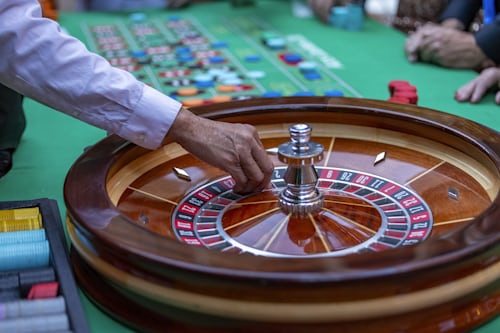
As civilizations evolved, so too did the forms and social acceptance of gambling. In many societies, gambling was initially frowned upon, often associated with moral decay. However, as society progressed, perspectives shifted. The 17th century saw the establishment of regulated gambling in Europe, reflecting a growing recognition of its popularity. This transition marked the beginning of modern gaming establishments, fostering both economic growth and cultural shifts in societal attitudes toward gambling.
In contemporary society, gambling has transformed into a mainstream activity, often celebrated in various cultural contexts. From the extravagant casinos of Las Vegas to the intimate taverns of rural Asia, gambling reflects local traditions and economic conditions. Understanding these historical roots helps appreciate how gambling continues to shape and be shaped by the cultural tapestry of different nations.
Psychological Factors Influencing Gambling Behavior
The psychology behind gambling is complex, influenced by a range of factors including thrill-seeking tendencies and social influences. Many individuals are drawn to gambling due to the adrenaline rush it provides. The excitement of winning and the possibility of financial gain can lead to a temporary high, making it an appealing activity for thrill-seekers. Furthermore, the environment of gambling—often designed with bright lights and sounds—reinforces this emotional response, creating a sensory experience that entices players to return.
Social factors also play a significant role in gambling behavior. In many cultures, gambling is a communal activity, often enjoyed in groups. This social aspect can enhance the enjoyment of the experience, leading individuals to participate more frequently. Additionally, peer pressure can significantly impact an individual’s decision to gamble, as people often feel the need to conform to social norms. This can create a cycle of behavior where individuals gamble not solely for personal pleasure but also to fit in with their peers.
Moreover, the psychological phenomenon of cognitive bias can lead to distorted perceptions of gambling outcomes. Gamblers may believe in luck and chance, often ignoring statistical realities, which can contribute to problematic gambling behaviors. Understanding these psychological aspects is crucial for developing effective strategies to encourage responsible gambling, ensuring players can enjoy their experiences without compromising their well-being.
Cultural Attitudes Toward Gambling
Different cultures exhibit varying attitudes toward gambling, often shaped by historical, religious, and social influences. In Western cultures, particularly in the United States, gambling is often viewed through a lens of entertainment and personal freedom. This perspective is exemplified by the booming casino industry in Las Vegas, where gambling is celebrated as a legitimate form of leisure. In these societies, the financial implications of gambling are frequently acknowledged, but the focus remains on enjoyment and risk-taking.
Conversely, many Eastern cultures, particularly in regions like Asia, possess a more complex relationship with gambling. Countries such as China have a rich history of gambling, but it is often entwined with beliefs in luck and fortune. Activities such as Mahjong and traditional lotteries are not only popular but also viewed as communal and festive gatherings. Yet, in some societies, strict regulations and moral teachings dictate a more cautious approach to gambling, reflecting a duality of enjoyment and restraint.
This cultural dichotomy extends to the implications of gambling addiction. In Western societies, addiction is often framed as a psychological disorder, while in many Eastern cultures, it may be seen more as a moral failing or loss of face. This divergence underscores the importance of culturally sensitive approaches to gambling awareness and treatment, recognizing that the narrative surrounding gambling can significantly influence how individuals perceive and address their gaming behaviors.
The Impact of Technology on Global Gambling
The advent of technology has revolutionized the gambling landscape, creating new opportunities and challenges across different cultures. Online gambling platforms have emerged, allowing individuals to engage in gaming from the comfort of their homes. This shift has made gambling more accessible, especially for younger generations who are comfortable with technology. As a result, traditional gambling venues are seeing shifts in patron demographics and behaviors.
Mobile applications have further enhanced this accessibility, with instant gaming options available at users’ fingertips. This convenience has led to a surge in casual gamers who may not have previously engaged with gambling as a serious pursuit. However, this trend also raises concerns regarding responsible gaming practices, as easy access may lead to impulsive behaviors and a higher likelihood of addiction.
Moreover, the globalization of gambling through technology has introduced cultural clashes. For instance, online casinos often incorporate gamification elements that appeal to a broad audience, which may conflict with traditional values in certain cultures. As technology continues to evolve, it will be essential to foster dialogues around ethical practices and the preservation of cultural nuances, ensuring that gambling remains a safe and enjoyable activity for all participants.

Discovering Spinjo Casino’s Unique Offerings
Spinjo Casino stands out in the global gambling arena by providing an exciting online gaming experience tailored to diverse player preferences. With a remarkable welcome bonus, offering up to €5,000 and 300 free spins, the casino attracts both new and seasoned players. The platform features a wide array of games, from popular slots to immersive live casino tables, ensuring a rich gaming experience that appeals to a global audience.
Furthermore, Spinjo Casino emphasizes responsible gaming, creating a secure environment where players can enjoy their gaming adventures without compromising their well-being. With user-friendly registration and smooth payment options, the platform aims to provide a seamless experience for all users. The commitment to responsible gambling reflects an understanding of the psychological aspects of gambling, promoting safe practices while maintaining entertainment as a priority.
As players explore Spinjo Casino, they can take advantage of thrilling promotions designed to enhance their gaming journey. The platform’s focus on player engagement and satisfaction showcases its dedication to fostering a vibrant online community. By embracing cultural nuances and adapting to global trends, Spinjo Casino offers a unique space where players can immerse themselves in exciting gaming adventures tailored just for them.