
Exploring how cultural differences shape casino experiences worldwide
Understanding Cultural Influences on Gaming Behavior
Cultural backgrounds significantly influence how individuals engage with gaming activities, including casinos. For instance, in Western cultures, gambling is often viewed as a form of entertainment and leisure, encouraging social interaction and excitement. Conversely, in some Asian cultures, gambling is deeply intertwined with social obligations and family responsibilities. This can lead to differing expectations and behaviors within casinos, affecting everything from betting strategies to social etiquette. In exploring the online gaming landscape, platforms like 4 rabet offer various betting options that cater to diverse cultural preferences.
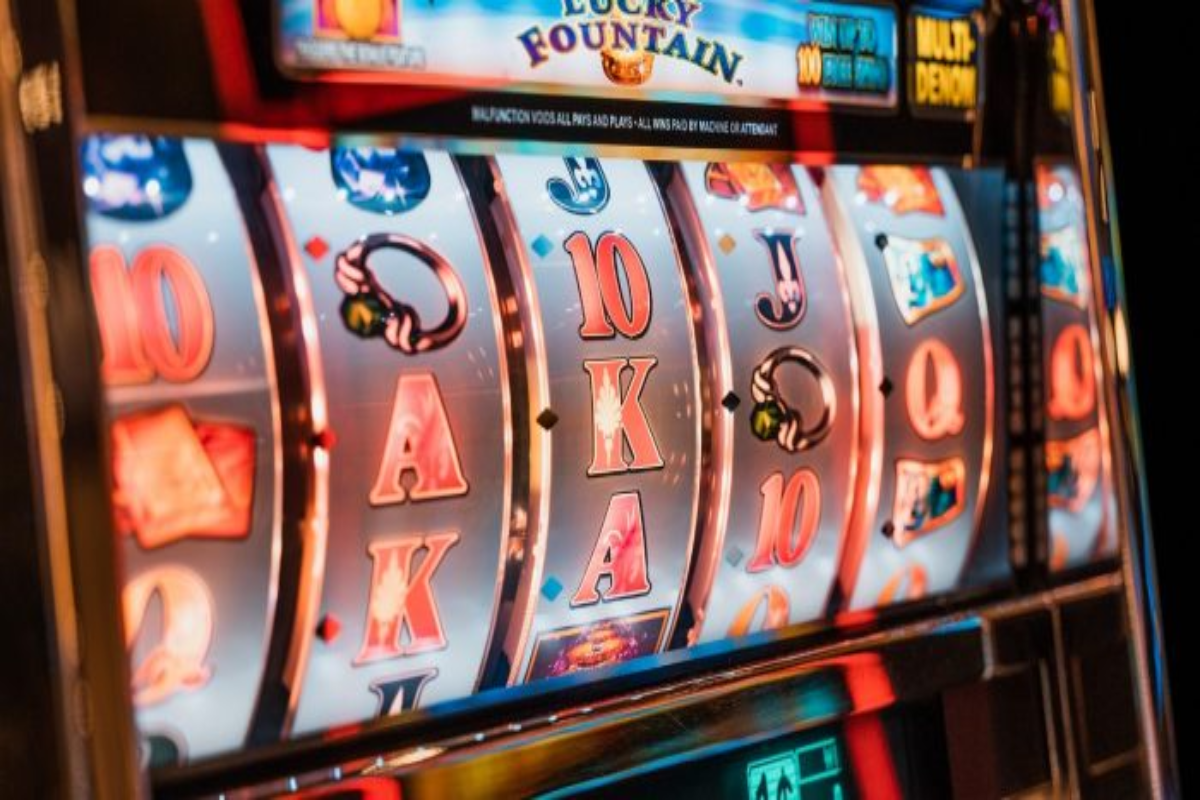
The gaming environment itself also reflects cultural nuances. In countries like Macau, where gambling is heavily regulated, the casino experience emphasizes high-stakes games and lavish experiences. The design of these establishments often incorporates elements of local culture, such as architecture and art, further enriching the visitor experience. In contrast, casinos in places like Las Vegas focus on spectacle and entertainment, appealing to a broader audience and creating an entirely different atmosphere.
Moreover, the presence of cultural symbols can shape perceptions of luck and fortune. For example, in many Western cultures, the number seven is considered lucky, while in Chinese culture, the number eight holds similar significance. These cultural beliefs can influence game choices, betting habits, and even the architecture of casino spaces. Understanding these differences can enhance the overall gaming experience, allowing operators to cater to diverse audiences effectively.
The Role of Language and Communication in Casinos
Language plays a crucial role in shaping casino experiences, affecting everything from customer service to game instructions. In multicultural casinos, staff trained in multiple languages can enhance the guest experience by making visitors feel more welcome. For instance, a Chinese tourist visiting a casino in Europe might appreciate having access to game rules in their native language, allowing for a more enjoyable experience. This linguistic accommodation can make the gambling experience more accessible and less intimidating.
Additionally, communication styles vary across cultures and can influence how people interact within casino settings. For example, cultures that favor direct communication might engage in straightforward discussions about gaming strategies or betting odds. In contrast, cultures that value indirect communication may approach these topics more subtly, potentially leading to misunderstandings. Casinos that recognize and adapt to these communication preferences can create a more comfortable environment for all guests.
Furthermore, marketing materials and promotions must resonate with different cultural perspectives to be effective. Tailoring messaging to align with local customs and values can enhance engagement and customer loyalty. For instance, a casino in an area with a significant Hispanic population might utilize cultural references and language that resonate with that community, making their marketing efforts more effective and fostering a sense of belonging among patrons.
Casino Design and Atmosphere: A Cultural Lens
The design and atmosphere of casinos can vary dramatically based on cultural influences, impacting visitor experiences. For instance, many Western casinos are characterized by bright lights, loud music, and extravagant themes, creating a vibrant and energetic environment. This sensory overload is intended to attract and entertain guests, drawing them into the gaming experience. Conversely, Asian casinos may focus on creating a more subdued and elegant atmosphere, promoting relaxation and contemplation alongside gaming.
Cultural elements are also reflected in the decor and architecture of casinos. In Macau, for instance, you might find casinos designed with intricate motifs and colors that reflect traditional Chinese beliefs. Such design choices not only enhance the aesthetic appeal but also resonate with local visitors who appreciate the cultural significance behind these elements. This blending of gaming and local culture can result in a unique experience that feels both familiar and inviting.
Additionally, the choice of games offered in casinos can reflect cultural preferences. While poker and blackjack might be popular in Western settings, games like baccarat and sic bo are often favored in Asian casinos. This diversification allows casinos to cater to various tastes, ensuring that every visitor finds something appealing. By understanding these cultural preferences, casinos can create tailored experiences that enhance customer satisfaction and loyalty.
Social Norms and Gambling Etiquette Around the World
Gambling etiquette varies significantly across different cultures, influencing how players interact in casinos. In some Western casinos, for instance, it is common for players to chat openly at the tables, sharing tips and strategies. This social aspect can enhance the overall experience, fostering camaraderie among players. However, in cultures where gambling is more serious, such as Japan, maintaining a quiet demeanor and respecting personal space is crucial, leading to a more subdued atmosphere.
Furthermore, tipping practices can also differ widely. In the United States, tipping dealers is customary and expected, while in many Asian countries, it is not a common practice. Understanding these social norms can enhance the experience for both guests and staff, as failing to adhere to local customs may lead to discomfort or misunderstandings. Casinos that educate their staff about these differences can provide better service, ensuring that all patrons feel respected and appreciated.
The importance of rituals and superstitions in gambling cannot be overlooked. In many cultures, players may perform specific rituals before placing bets, such as saying a prayer or using lucky charms. Recognizing and respecting these practices can help casinos create an inclusive atmosphere where everyone feels comfortable engaging in their preferred methods. By celebrating these differences, casinos can foster a sense of community among diverse players.
Embracing Diversity in Casino Operations
As the global gaming industry continues to grow, it becomes increasingly essential for casinos to embrace diversity in their operations. This includes hiring staff from various cultural backgrounds who can bring unique perspectives and enhance customer interactions. A diverse workforce can provide valuable insights into the preferences and expectations of different cultural groups, allowing casinos to tailor their services accordingly.
Moreover, casinos should invest in cultural training programs for employees. Such programs can equip staff with the knowledge and skills necessary to serve a diverse clientele effectively. For example, understanding the significance of cultural holidays or local traditions can help staff connect with guests on a deeper level, creating a welcoming atmosphere that fosters loyalty and repeat visits.
Finally, adapting marketing strategies to reflect cultural diversity is vital for attracting a broad audience. Tailored promotions that resonate with specific cultural groups can enhance engagement and participation. This approach not only drives revenue but also showcases the casino’s commitment to inclusivity, reinforcing its reputation as a welcoming destination for all.