
The Allure of Gambling: Why People Play
The thrill of gambling captivates many, drawing individuals into the vibrant, sensory-rich environment of casinos. The bright lights, exciting sounds, and the potential for significant monetary gain create an atmosphere that feels both exhilarating and enticing. This allure taps into a natural human inclination towards risk-taking, where the stakes are high, and the prospect of winning offers not just financial rewards but also a profound sense of euphoria. For many, gambling serves as a temporary escape from the mundane aspects of daily life, where players can explore casino online options that transform an ordinary evening into an extraordinary adventure.
The emotional highs associated with gambling are largely driven by anticipation. When players wager their money, they experience a surge of excitement as they await the outcome. This anticipation activates the brain’s reward system, releasing dopamine, a chemical linked to pleasure and satisfaction. The more a person engages in gambling, the more they seek to reproduce that exhilarating feeling, leading to repeated visits to casinos. Understanding this psychological mechanism is critical for comprehending why individuals can become drawn into the gambling world, often returning despite the risks involved.
However, the excitement of gambling can lead to adverse consequences for some individuals. While many enjoy gambling in moderation, others may find themselves ensnared in a cycle of chasing losses. The desperation to recover lost money can foster compulsive gambling behaviors, causing individuals to ignore the financial and emotional toll it exacts. This duality of gambling—offering both joy and potential harm—underscores the importance of approaching the activity with caution and self-awareness. Recognizing when the fun has turned into a detrimental obsession is vital for maintaining a healthy relationship with gambling.
The Role of Cognitive Biases in Gambling Behavior
Cognitive biases significantly influence the decision-making processes of casino gamblers, often leading them to irrational conclusions about their gambling activities. A common bias is the illusion of control, where players mistakenly believe that they can affect the outcomes of games that are fundamentally random. For example, a poker player might think that their skill and strategy can outmaneuver the inherent odds, despite the house always having an advantage. This skewed perception can drive gamblers to persist in their play, often leading to increased financial losses and frustration.
Another prevalent cognitive distortion is the gambler’s fallacy, a belief that past results can affect future outcomes. This faulty reasoning might lead a player to wager on black in roulette after several consecutive reds, operating under the assumption that black is “due” to win. Such misconceptions can result in erratic betting patterns, heightening the risk of significant losses. Recognizing these cognitive biases is essential for gamblers who wish to maintain a rational approach to their betting practices and make informed decisions. Awareness can serve as a safeguard against the irrational impulses that often accompany gambling.

Moreover, the social dynamics of gambling can amplify these cognitive biases. Gamblers often share stories of victories and near-wins, reinforcing the illusion that luck is a palpable force that can be harnessed. This communal narrative fosters a sense of confidence that can embolden others to gamble more, perpetuating the cycle of risk-taking behavior. By understanding these cognitive influences, gamblers can better navigate their experiences and mitigate the potential for detrimental outcomes associated with their decisions. Education on these biases can empower individuals to gamble more responsibly and thoughtfully.
Addiction and Its Psychological Implications
The psychological ramifications of gambling addiction are profound and often devastating. At its core, gambling addiction mirrors other forms of substance abuse, as it involves a compulsive need to chase the exhilarating highs associated with winning. The initial thrill of winning can create a powerful urge to continue gambling, leading individuals to prioritize their gambling activities over personal relationships, work responsibilities, and financial stability. This intense focus on gambling can spiral into a cycle of debt and emotional turmoil, significantly impacting an individual’s quality of life.
To understand the roots of gambling addiction, it’s crucial to consider underlying mental health issues. Many individuals resort to gambling as a coping mechanism for stress, anxiety, or depression. This reliance can lead to a cycle where the momentary escape provided by gambling ultimately results in increased distress and negative consequences. Effective treatment must therefore address not only the gambling behavior but also the emotional and psychological factors that contribute to it, promoting holistic healing and recovery. Therapy and support systems are integral in breaking this cycle.
Interventions for gambling addiction vary, but cognitive-behavioral therapy (CBT) has proven particularly effective. CBT helps individuals identify and alter harmful thought patterns that drive their gambling behaviors, enabling them to develop healthier coping mechanisms. Support networks, including friends, family, and professional counselors, play a vital role in recovery, providing encouragement and guidance as individuals work toward reclaiming a balanced life that is not dominated by gambling. Education about the nature of addiction can also empower individuals to seek help sooner rather than later.
The Impact of Environment on Gambling Behavior
The design and atmosphere of a casino are purposefully engineered to enhance engagement and spending. Elements such as layout, lighting, and soundscapes are meticulously crafted to stimulate excitement and minimize distractions. The absence of clocks and windows creates a disorienting environment that can cause players to lose track of time, leading to extended gambling sessions and potentially significant financial losses. Understanding these environmental factors is crucial for gamblers who wish to maintain control over their gambling habits. Casinos are designed to keep players engaged, making it essential to be aware of one’s surroundings.
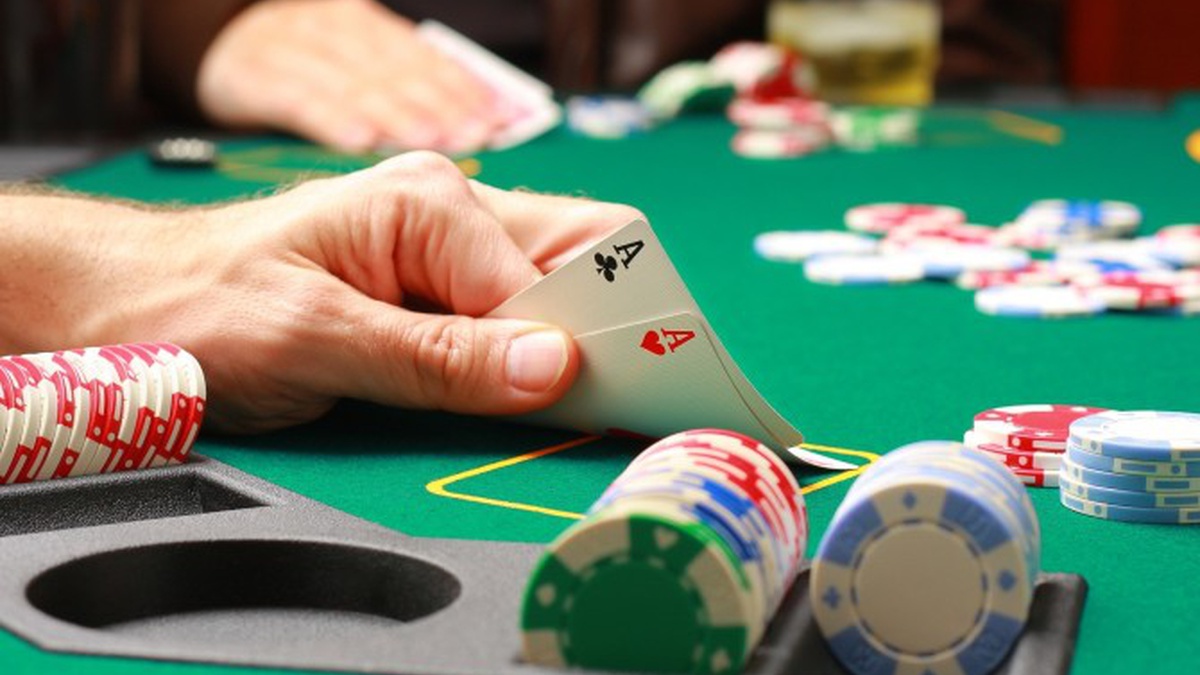
Additionally, the social environment within casinos can greatly influence individual behavior. The presence of fellow gamblers can create a dynamic atmosphere where players cheer each other on, share stories of wins, and foster a sense of community. This social reinforcement can encourage higher stakes and more frequent gambling, as individuals feel compelled to keep up with their peers. The interplay between social dynamics and gambling behavior highlights the importance of recognizing how external environments can shape decision-making. Being mindful of these influences can help individuals make more conscious choices.
To mitigate the negative effects of these environments, some jurisdictions have implemented measures to promote responsible gambling. Initiatives such as spending limits, educational resources, and addiction support services aim to create a safer gaming environment. By understanding how the casino environment impacts gambling decisions, individuals can empower themselves to make more conscious choices and engage in responsible gaming practices. Awareness of one’s triggers and the surrounding atmosphere is vital in maintaining a healthy gambling experience.
Resources for Gamblers and Responsible Play
For those looking to engage in responsible gambling, numerous resources are available to provide support and guidance. Many casinos have implemented educational programs designed to inform players about the risks associated with excessive gambling and promote healthier habits. These initiatives are essential in fostering a culture of awareness, ensuring that players can enjoy the thrill of gaming without compromising their well-being. Providing information about responsible gambling can help mitigate potential risks before they escalate.
In addition to resources provided by casinos, various organizations and helplines are dedicated to assisting problem gamblers. These entities offer confidential support and information, helping individuals navigate their gambling experiences and make informed choices. Online forums and support groups also provide valuable platforms for individuals to connect with others facing similar challenges, helping reduce feelings of isolation that can accompany gambling difficulties. Community support plays a crucial role in recovery and maintaining a balanced approach to gambling.
Ultimately, a deep understanding of gambling psychology empowers players to engage in safer gaming practices. By recognizing the psychological triggers and cognitive biases that can influence gambling behavior, individuals can develop a healthier relationship with gambling. Education and support are paramount in cultivating a responsible gaming community that values enjoyment while minimizing the risks associated with gambling. Resources and information empower individuals to make better choices and enjoy gaming responsibly.